In Lead Happy Teams’ post-experience feedback survey
Warwick Business School has been operating in a higher education sector shaped by economic uncertainty, intensifying competition, shifting priorities, structural change, stretched resources and rising pressure to deliver.
The challenge here has never been a lack of talent or commitment. It has been what sustained pressure does to good teams over time: communication narrows, relationships strain, silos harden and people become so focused on getting the work done that they lose sight of how they are doing it together.
Some teams needed to reconnect after change, others needed to navigate difficult dynamics, work more effectively across internal boundaries or find a steadier way to communicate in high-pressure environments. The common thread was the need to create the right conditions for honest reflection, meaningful conversation and collective progress.
Warwick Business School has been operating in a higher education sector shaped by economic uncertainty, intensifying competition, shifting priorities, structural change, stretched resources and rising pressure to deliver.
The challenge here has never been a lack of talent or commitment. It has been what sustained pressure does to good teams over time: communication narrows, relationships strain, silos harden and people become so focused on getting the work done that they lose sight of how they are doing it together.
Some teams needed to reconnect after change, others needed to navigate difficult dynamics, work more effectively across internal boundaries or find a steadier way to communicate in high-pressure environments. The common thread was the need to create the right conditions for honest reflection, meaningful conversation and collective progress.
Over five years, Lead Happy Teams has become a trusted development partner to Warwick Business School, supporting teams across finance, marketing, recruitment and business development, careers and academic environment, as well as coaching multiple leaders alongside the team interventions.
Every experience has begun long before the collective session. Through detailed briefings, team insight, 1-2-1 conversations, profiling and thoughtful pre-communications, we earned the ear and trust of participants before asking them to step into a shared space.
People arrived knowing what to expect, why the work mattered and how they could contribute in a way that worked for them. It allowed us to create experiences that felt safe enough for honesty, stretching enough for real movement and enjoyable enough for people to engage fully.
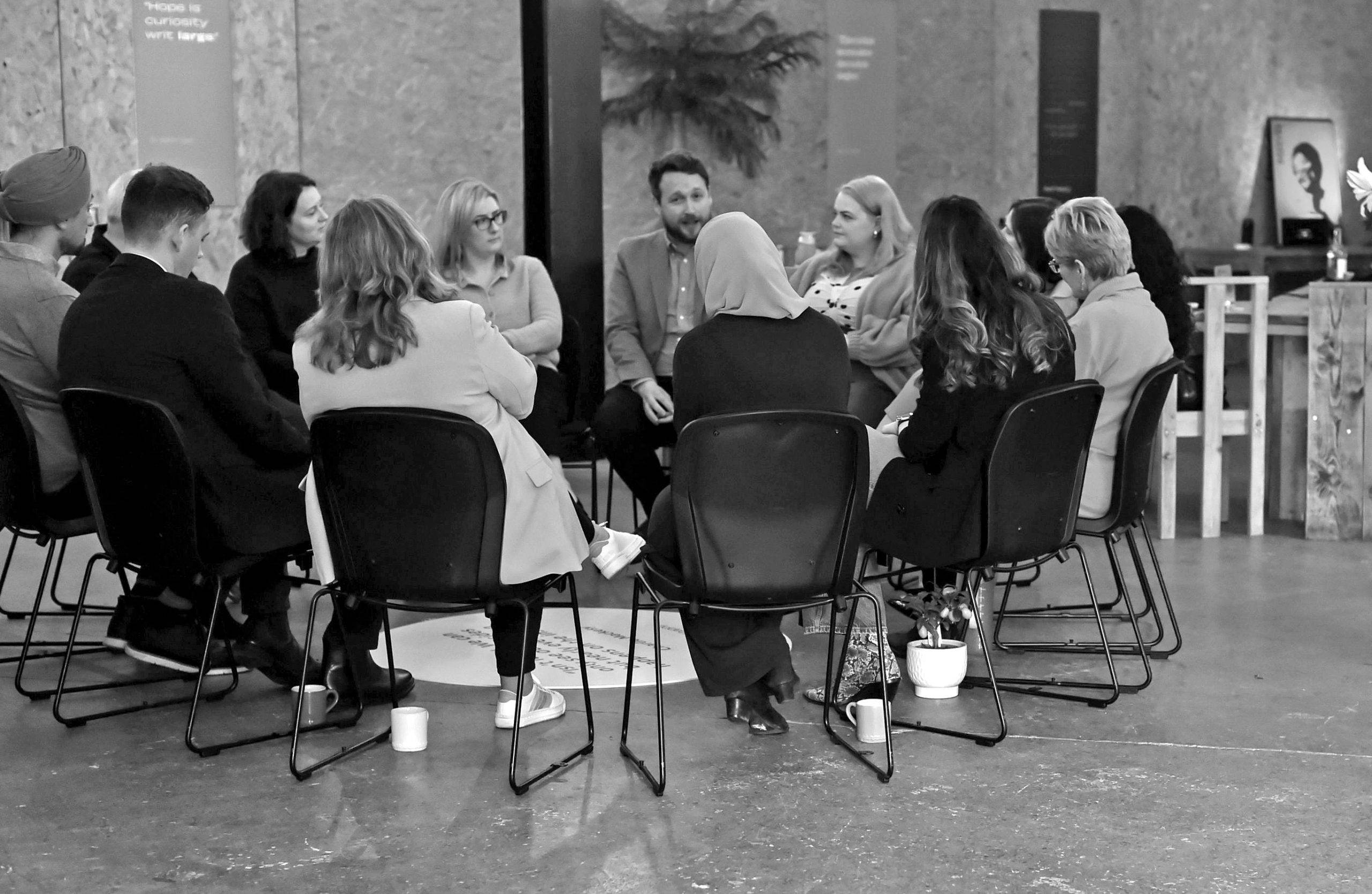
In the room, we blended psychology, storytelling, personality insight, challenge, humour and practical team work. We adapted constantly to what emerged: sometimes slowing down, sometimes lifting the energy, sometimes holding up a mirror the team needed to see.
The work never stopped at the visible problem. Communication, silos or conflict were often only the symptoms. We worked deeper, into trust, relationships, understanding, confidence and the beliefs shaping behaviour underneath.
Teams became more able to talk honestly about what was helping, what was hindering and what needed to change. Relationships strengthened and communication became more useful and joined-up.
Leaders grew in confidence, clarity and self-awareness. Teams under pressure found better ways to challenge, support one another and stay connected without pretending the strain was not there.
The most important shift was from managing symptoms to understanding causes. Instead of treating communication, collaboration or accountability as isolated problems, teams began to see how trust, relationships and team connection shaped everything else.
That created change that travelled beyond the sessions: into meetings, decisions, leadership conversations and the everyday moments where culture is really made.
KAREN BARKER, DIRECTOR OF STAKEHOLDER ENGAGEMENT