Team Development Training is for teams that want to communicate better, collaborate more confidently and handle the human moments that shape team culture. This is topic-led, masterclass-style development for teams who need shared tools, shared language and shared confidence around how they work with others.
These teams might be managers from across the organisation, people in customer-facing roles, project leads, department heads, future leaders or colleagues who need to work better across functions. What connects them is the behaviour you want to develop.
Most people have sat through training that was interesting enough, then AWOL by Monday. By the next week, the same people dominate meetings, the same tensions hang from the rafters, and the same misunderstandings happen again.
Why? Because off-the-peg training doesn’t get close to the real moments where behaviour needs to change.
That might be managing conflict, creating a better conversation culture, building confidence to challenge well, or people taking ownership in the moments that matter. Lead Happy Team Development Training is designed for the moments where better team behaviour starts.
TEAMS EXPERIENCE FEEDBACK SURVEY 2025 (NAME SUPPLIED)
Team Development Training can help when you want people to get better at a specific team behaviour, skill or conversation.
Common themes include:
We do not arrive with a pre-packed course and try to squeeze your people into it.
We start with the behaviour you want to develop, then design an experience that helps people understand it, practice it and use it back in the real world.
Before we design anything, we look at who is actually coming.
Their roles, pressures, personalities, preferences, communication styles and what they need in order to engage properly.
We get it. It sounds like a nice-to-have at first. Then you see the difference it makes to outcomes, often with a jaw to the floor.
Which is why we design for all neurotypes, chronotypes and communication styles – it’s one of the big reasons the work lands.
People feel seen, so they participate properly.
We learn best when we are engaged, are enjoying ourselves and the right level of stimulus, variety and immersion is in play. This looks different for everyone and getting this right for the people in each team is about insight and precision.
Depending on the topic, this may include story, humour, visual mapping, reflection, movement, live diagnostics, structured conversation, paired work, group exercises, full-team interventions, practical tools, gamification, digital interaction and moments of surprise. All of that is before we’ve mentioned our own AI, Navianna, who sometimes joins the conversation.
ANNA HERNADY – HR ASSOCIATE, UNIVERSITY OF DERBY
Team Development Training can be delivered in different ways depending on the topic, the group and the change you want to create.
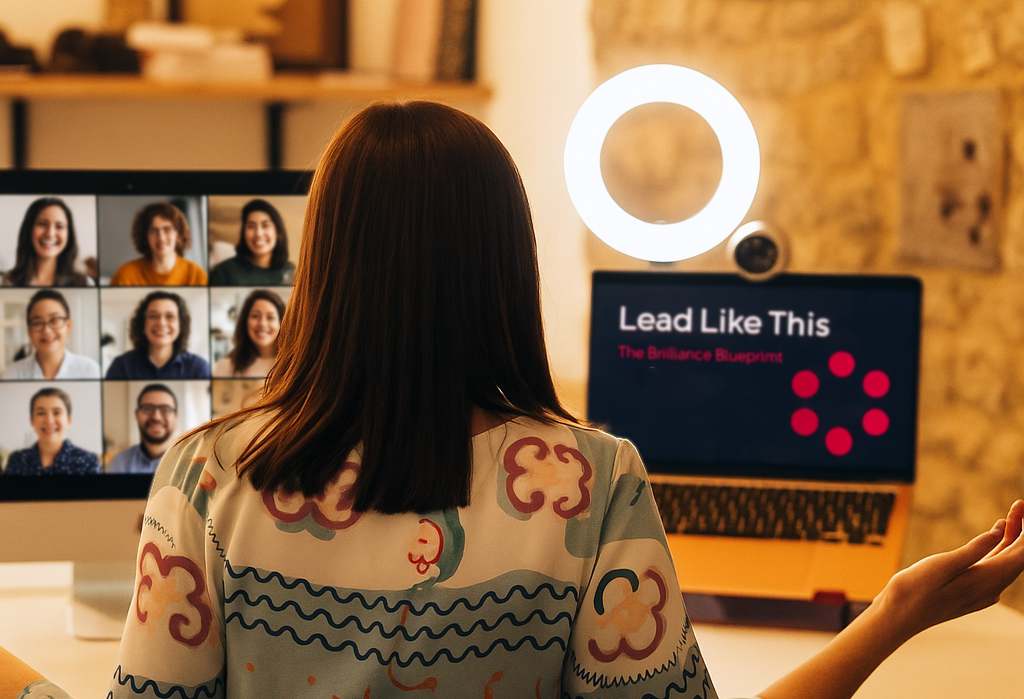
A focused online session can work well for a specific theme, follow-up session or distributed group.
A half-day can create useful awareness, shared language and practical tools.
A full day gives people more space to explore the topic, practice new behaviours and make stronger commitments.
For deeper development, we can design a series of sessions over time so people can learn, apply, reflect and keep improving.
The shape is driven by the people, the theme and the outcome.
We will advise you clearly on what will work.
Team Development Training can be delivered in different ways depending on the topic, the group and the change you want to create.
A focused online session can work well for a specific theme, follow-up session or distributed group.
A half-day can create useful awareness, shared language and practical tools.
A full day gives people more space to explore the topic, practice new behaviours and make stronger commitments.
For deeper development, we can design a series of sessions over time so people can learn, apply, reflect and keep improving.
The shape is driven by the people, the theme and the outcome.
We will advise you clearly on what will work.
JESS RICKHUSS – HEAD OF POWER PLATFORM, ZENZERO
Team Development Training helps groups of people develop the skills, behaviours and confidence they need to work better together.
That might mean improving communication, learning how to challenge well, strengthening collaboration, increasing ownership, earning trust, or helping people understand themselves and each other more clearly.
Lead Happy Teams does not deliver generic training content. We design development experiences around the group, the context and the skills you want people to cultivate.
The aim is practical shift. People should leave with insight they can use, conversations they can have, and behaviours they can take back into everyday work.
No.
We do not offer a fixed menu of masterclasses where every team gets the same content.
Each masterclass is shaped around the group, the skill area, the level of experience in the room, and what you want people to be able to do differently afterwards.
There may be common themes, such as communication, collaboration, challenge, ownership, creativity, confidence, feedback, or psychological safety.
The design always starts with your team and the outcome you need.
A masterclass gives the team focused time to build a specific skill or behaviour.
We bring together useful insight, creative experience design, practical tools, structured conversation and moments of reflection. People are not expected to sit passively while information is delivered at them.
They learn by thinking, talking, noticing, practising and applying the work to their real context.
The result is a session that feels human, practical and relevant, rather than theoretical or tick-box.
Lead Happy Teams looks underneath the visible issue.
We use the Lead Happy House® to understand what is really happening in the team and where the foundations need attention. Then we design the experience around that.
Yes.
We can design Team Development Training for in-person, digital or blended delivery.
Digital masterclasses work well when the purpose is clear, the design is interactive, and the experience is built properly for the format.
We will always advise honestly on what can work digitally and what is stronger in person. Some skills can be developed very effectively online. Some conversations benefit from being in the same room.
That depends on what the team needs.
Common areas include communication, collaboration, constructive challenge, feedback, ownership, decision-making, confidence, creativity, self-awareness, listening, curiosity, and earning trust.
We can also design around a specific behaviour your team wants to strengthen.
The important question is not “what topic shall we pick?” It is “what do we need this group to practise, understand or do differently?”
It is for teams or groups who need to strengthen specific skills in how they work together.
That might be a leadership group, a growing team, a project team, a cohort of managers, or a wider group of people who need a shared way of working.
It works especially well when you know the broad skill area you want to develop, and you want something more engaging, memorable and useful than standard training.
We will never share your data with any third party for marketing purposes. Subscribing confirms you agree to our privacy policy, but you can unsubscribe at any time.