To protect client confidentiality, names and identifying details have been removed.
Everything else reflects the work as it happened.
In Lead Happy Teams’ post-experience feedback survey
Our client was a UK Midlands-based tech company, was growing quickly and needed its leaders to grow with it.
Across the business, capable teams were delivering valuable work, yet they were often doing so in separate pockets. For an organisation expected to provide one cohesive service to its clients, fragmented working was creating friction, inconsistency and commercial cost.
The ambition went beyond improving individual management skills. Our client wanted a more connected and consistent leadership community: leaders who understood themselves, worked across boundaries, pooled strengths and solutions, challenged when needed and created the conditions for people to perform around them.
It also wanted leadership development that people would genuinely engage with. Traditional training risked triggering the familiar collective groan, particularly among experienced or sceptical leaders. The experience had to feel personal, practical, enjoyable and different from the start.
Our client was a UK Midlands-based tech company, was growing quickly and needed its leaders to grow with it.
Across the business, capable teams were delivering valuable work, yet they were often doing so in separate pockets. For an organisation expected to provide one cohesive service to its clients, fragmented working was creating friction, inconsistency and commercial cost.
The ambition went beyond improving individual management skills. Our client wanted a more connected and consistent leadership community: leaders who understood themselves, worked across boundaries, pooled strengths and solutions, challenged when needed and created the conditions for people to perform around them.
It also wanted leadership development that people would genuinely engage with. Traditional training risked triggering the familiar collective groan, particularly among experienced or sceptical leaders. The experience had to feel personal, practical, enjoyable and different from the start.
Over two years, we created a blended leadership team experience spanning two leadership teams (which we called Tribes) and the senior leadership team.
Tribe One, made up of our client’s ‘Heads of’, began with a full Lead Happy Teams leadership experience. This combined a group launch, individual personal exploration and coaching, collective leadership development modules, topic-focused Masterclasses, bi-monthly masterminding, digital content and ongoing group reflection.
Leaders had space to understand themselves deeply, practical opportunities to build new skills and regular peer forums to bring real challenges, share experience and learn from one another. It turned the group of leaders into more than a cohort; it created a leadership community.
As Tribe One moved into continued coaching and quarterly team development, Tribe Two began the same experience, extending the work to another layer of senior leaders across the organisation. Alongside both tribes, we worked with the SLT through alignment sessions, briefings and regular check-ins, helping connect the ongoing development with the wider culture, organisational ambition and leadership environment.
The experience was multi-format, practical and human with plenty of unexpected fun, keeping the work energising, useful and alongside-the-job, rather than adding another demand to already busy leaders.
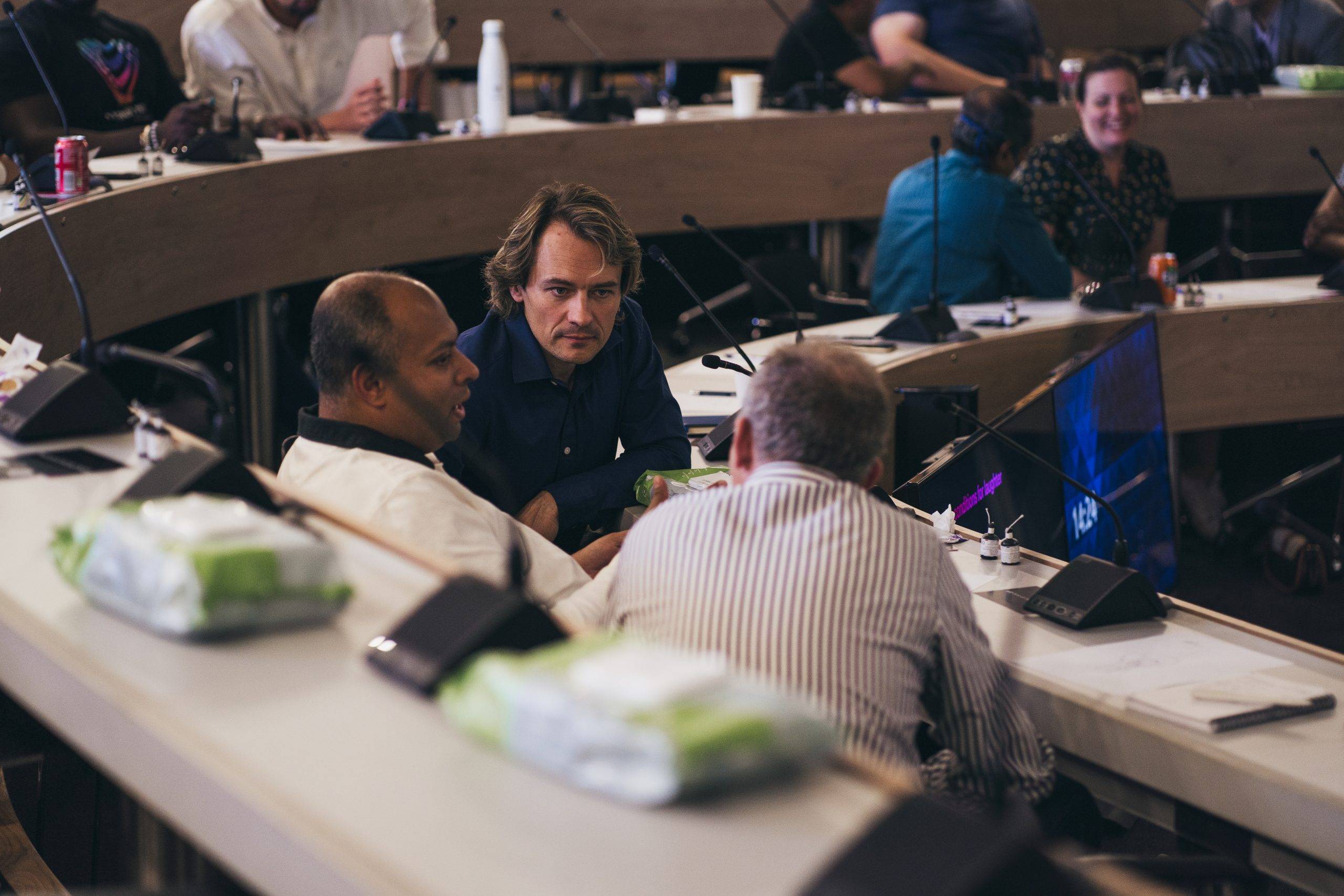
Leaders across the organisation became more self-aware, more confident and more willing to bring their whole selves to their roles in the spirit of connecting, motivating and enabling the teams around them.
The cross-company leadership team developed a shared language for leadership and a stronger understanding of how personality, communication and individual behaviour affected the wider system. Relationships changed, conversations became more open, leaders used one another more actively, rather than staying inside their own teams or escalating things upwards.
The biggest shift was in how leadership was understood. It became less about position, expertise or having the answer and more about connection, authenticity, challenge and the conditions leaders created around them.
And as those beliefs shifted, so did behaviour. People worked across boundaries more readily, understood one another more deeply and became more capable of delivering as one leadership community.
We will never share your data with any third party for marketing purposes. Subscribing confirms you agree to our privacy policy, but you can unsubscribe at any time.