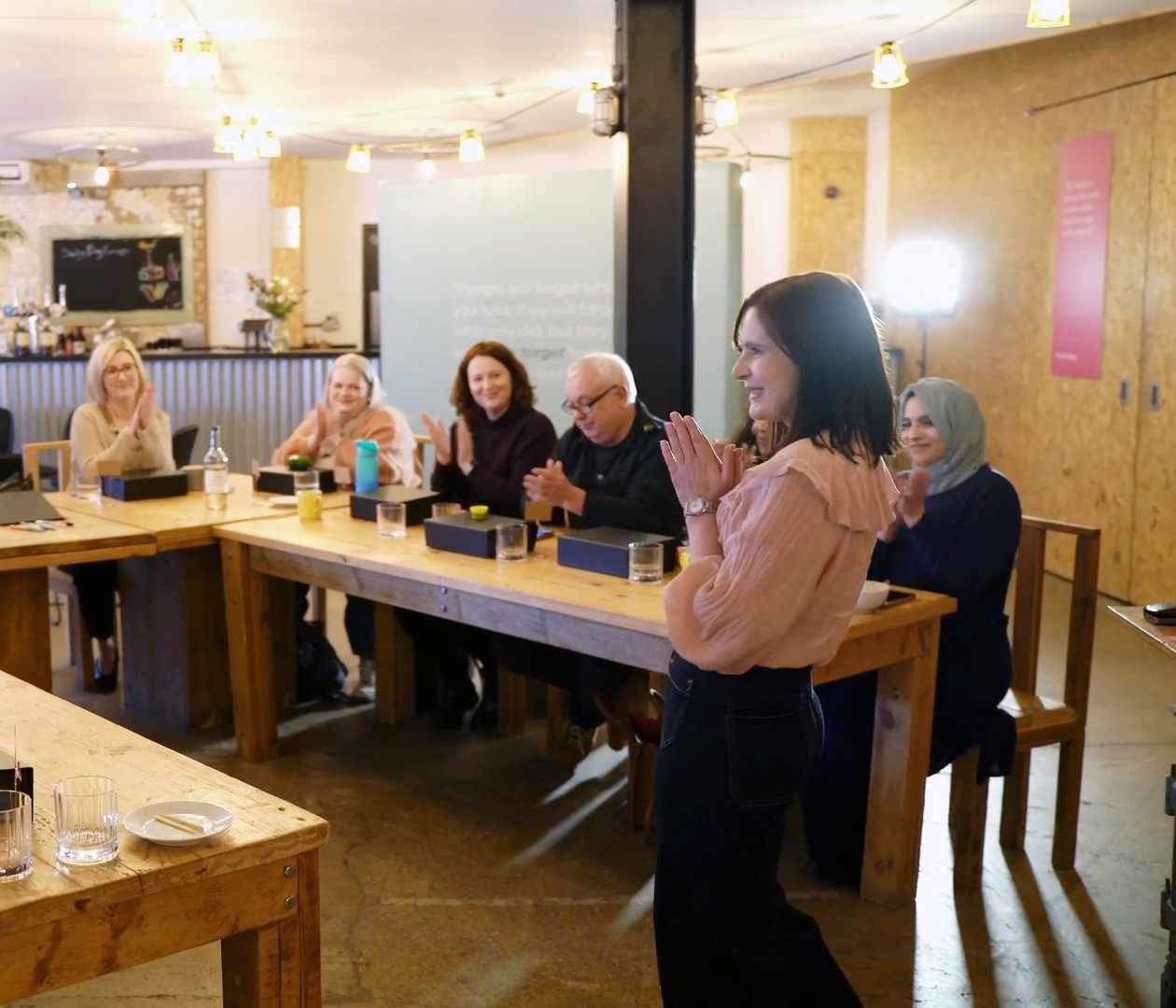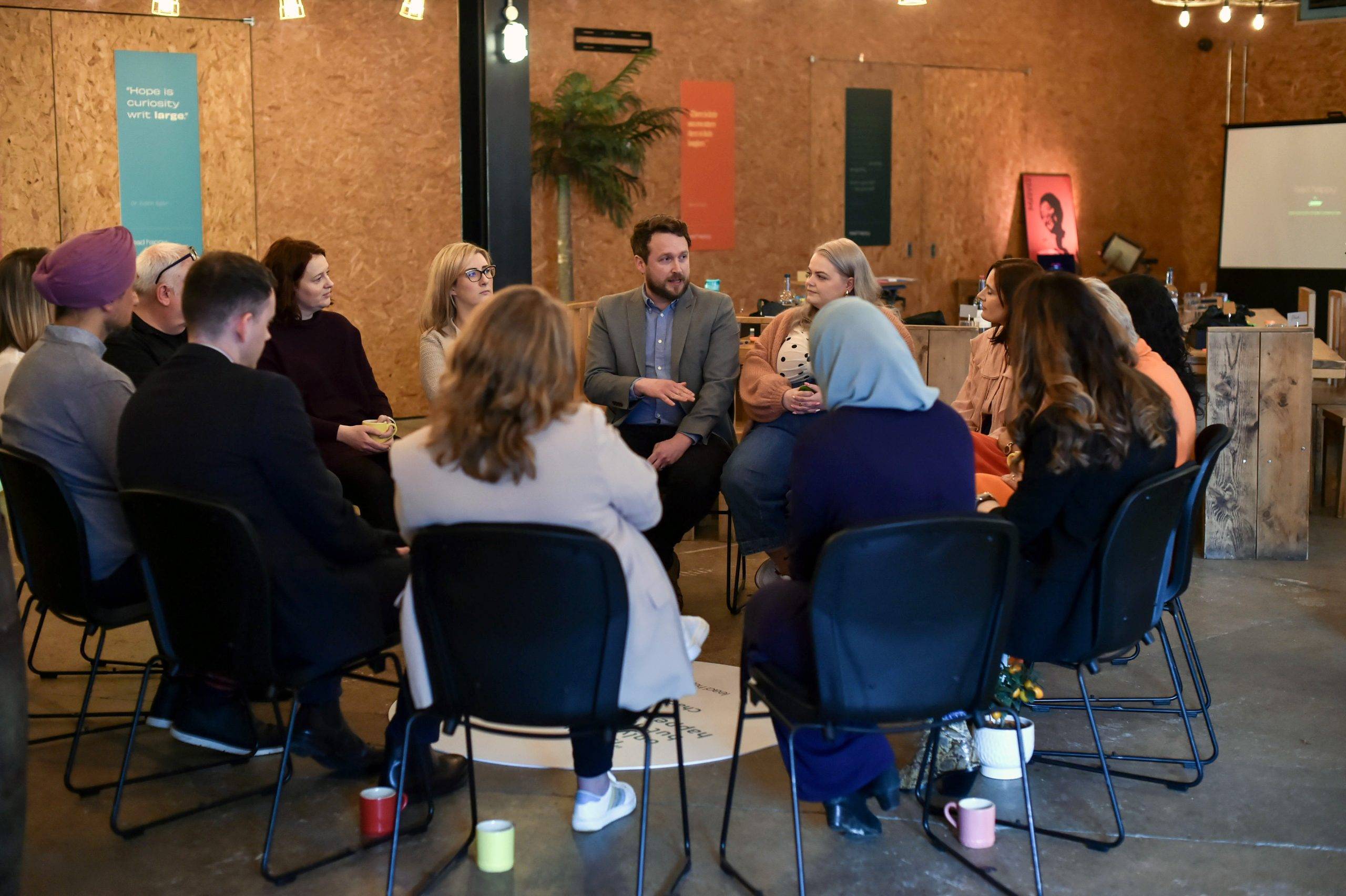
You may well have seen team development that creates an engaging day, a surge of energy even, yet very little changes afterwards as team members leave the temporary bubble and return to the everyday boiling pot.
We exist to do the opposite.
We help teams shift how they communicate, collaborate and challenge by going after the cause of what’s happening, not the symptoms – because of this, the change holds when people go back to deadlines, pressure, and real life.
When teams are working well, performance can feel almost effortless. Things move, people talk properly, decisions get made, and work feels lighter even when the pressure is high.
When they’re not, it can feel like wading through treacle – and the cost leaks into everything: communication breakdowns, siloes, low ownership, slow decisions, conflict avoidance, burnout, and more.
GRACE EVANS – MANAGING DIRECTOR, SALVEO CARE
When the impact starts showing up in the figures – and those could be commercial performance, customer ratings or people turnover – that’s when the “roof patching” kicks off. It’s a very human response to fix what’s visible, change the processes and swap out the tools, bringing in something that looks like it should help.
The trouble is, when the real issue sits with trust, relationships, psychological safety, connection & purpose – the same problems keep resurfacing, often in different guises. That’s when teams start to feel worn down by it all, because they’ve tried things already and still nothing seems to shift.
We use the Lead Happy House™ to understand what’s actually driving the symptoms you can see, then design a tailored experience that helps your team shift how they communicate, collaborate, ideate and challenge – especially when the pressure is on.
Once you can see the cause clearly, you can stop guessing and stop trying to patch the holes in the roof. You can start building something that lasts. When teams do this, they find the symptoms often disappear of their own accord. How can that be? Simple – it was never about them in the first place.
Many teams have never had a space where people can say what they really think without fear of judgement, politics, or fallout. So people soften things, keep it polite, take it offline, and avoid the awkward bits. Over time, the real conversation disappears, and what’s left is process, surface-level updates, and a creeping sense that something’s not quite right.
Every step of your team’s experience is designed & delivered to create the conditions for candour. No drama, no forced vulnerability, no role play – just a safe, well-held space where honesty becomes possible, challenge becomes constructive, and the team can finally look under the bonnet and deal with what’s been sitting underneath.
CLAIRE NICHOLLS – HR ADMINISTRATOR, OXERA
Culture + strategy = performance.
Relationships matter, and so does what the team is here to do. When a team gets clearer on purpose, priorities, decision-making and ownership, work moves faster and feels calmer.
When those things are fuzzy, even brilliant people end up second-guessing, duplicating effort, protecting their patch, or quietly opting out. Our work brings both together: how people show up with each other, and how the team actually operates when the pressure is on.
The extraverts speak and the quick thinkers dominate while the rest can either switch off or keep their real views for the ‘meeting after the meeting’. To properly develop a whole team, all voices must be heard and that means creating the conditions for that to happen.
So we design for the whole team, not just parts of it.
These experiences work for different personalities, communication styles, levels of confidence, and neurotypes, so the quiet contributors stay in the conversation, sceptics feel safe enough to engage, and ‘strong’ personalities do not accidentally become the weather system everyone else has to work around.
This is one of the key reasons the shift that we create tends to last. People feel seen and valued, so they participate properly.
Anna has spent nearly two decades supporting leaders and teams to feel good and be brilliant as a result. Historically, a leader in global corporations, she brings lived leadership experience, deep insight, a human-first approach, and a facilitation style that helps teams open up, think differently and move forward together. A true expert in human behaviour.
A brand, creative and experience specialist, Tom’s the person who makes things land. Designing the journey around your team – the creative, the visuals, the stories, the flow, the content to sustain the thinking, the group ‘ah-ha’s’ – he turns transactional into transcendence. Previously an agency owner and leader, he knows where the magic lives.
Anna has spent nearly two decades supporting leaders and teams to feel good and be brilliant as a result. Historically, a leader in global corporations, she brings lived leadership experience, deep insight, a human-first approach, and a facilitation style that helps teams open up, think differently and move forward together. A true expert in human behaviour.
A brand, creative and experience specialist, Tom’s the person who makes things land. Designing the journey around your team – the creative, the visuals, the stories, the flow, the content to sustain the thinking, the group ‘ah-ha’s’ – he turns transactional into transcendence. Previously an agency owner and leader, he knows where the magic lives.
SAMANTHA NCUBE – CHIEF OPERATING OFFICER, PEVEREL COURT CARE
Lead Happy Teams exists because so much team development creates something that feels good for some, not all, in the moment, then very little changes afterwards.
People leave the room with energy, ideas and good intentions, then return to the same pressure, deadlines, politics and habits. Before long, the old patterns come back.
We wanted to do the opposite.
Lead Happy Teams helps teams understand what is really driving the symptoms they can see, then shift how they communicate, collaborate, challenge and lead together in real life.
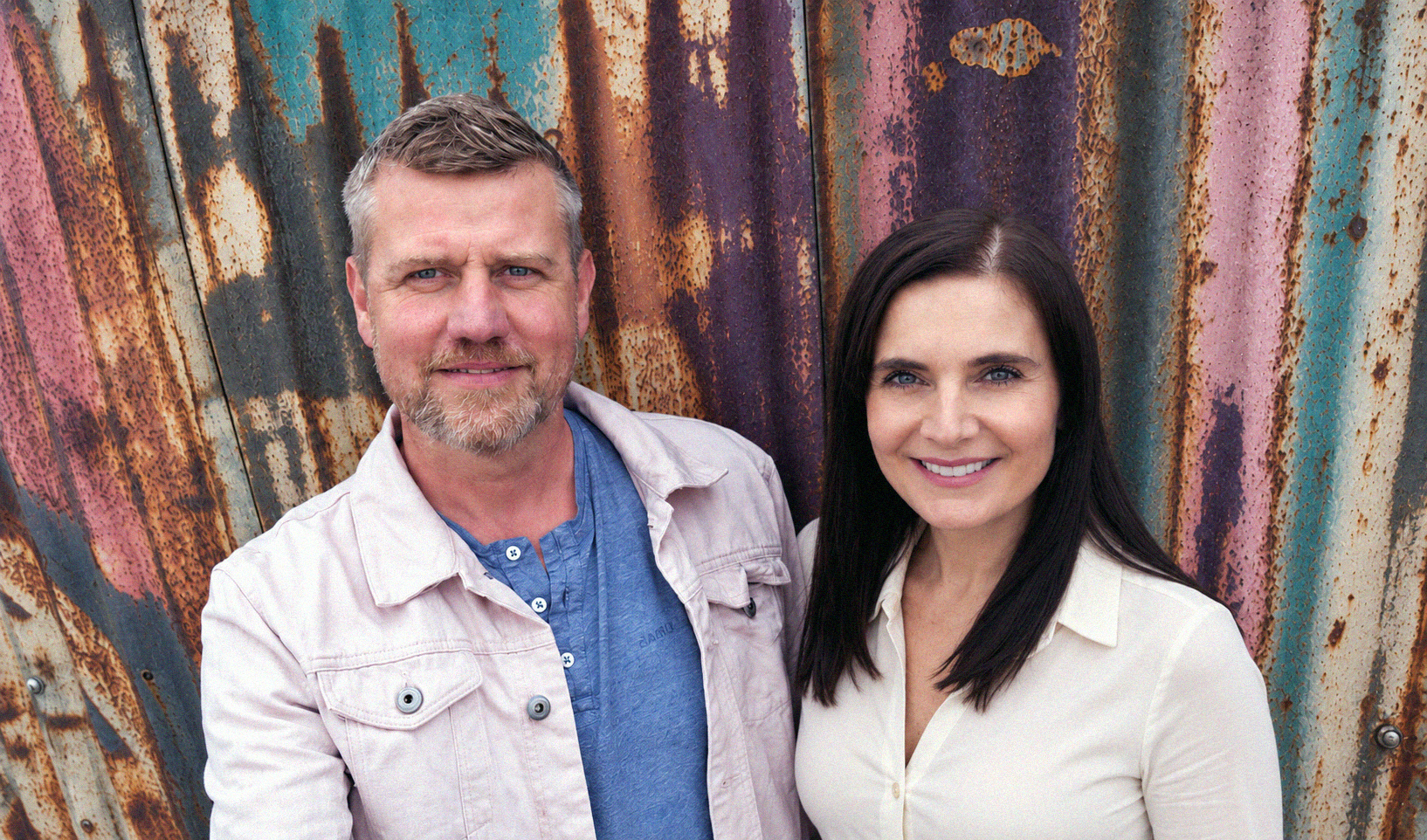
Lead Happy Teams is led by Anna Jester and Tom Threadgill.
Anna brings nearly two decades of leadership, coaching, facilitation and human behaviour experience. She has led in global organisations herself, so she understands what leadership pressure feels like from the inside.
Tom brings brand, creative and experience design expertise. He shapes the journey, the content, the visuals, the stories, the flow and the moments that help people see things differently.
Together, they combine deep human insight with creative experience design. That is what makes the work feel thoughtful, energising and properly different.
Because teams need more than insight, and they need more than a nice experience.
Anna brings the depth: leadership, behaviour, facilitation, coaching and the ability to help people open up safely and honestly.
Tom brings the design: the creative journey, the stories, the visuals, the flow and the details that make the experience land and last.
Together, they create work that feels human, memorable and useful. Not just interesting in the moment. Useful when people go back to real life.
Many teams have never had a space where people can say what they really think without fear of judgement, politics or fallout.
So people soften things. They keep it polite. They save the real conversation for afterwards. Over time, the useful truth disappears from the room.
Creating the conditions for candour means designing and holding a space where honesty becomes possible.
No drama. No forced vulnerability. No role play. Just the right level of safety, structure and challenge so people can say what needs saying and work with what is actually happening.
Because visible team problems are often only symptoms.
Poor communication, slow decisions, siloes, low ownership and conflict avoidance are easy to spot. The harder question is what is creating them.
The real issue might sit in trust, psychological safety, purpose, belonging, unclear decision-making, weak relationships or the way challenge happens in the team.
We use the Lead Happy House™ to look underneath the surface, so the team can stop patching the roof and start working on the foundations.
We design carefully for the whole room.
Team development often rewards the loudest voices, quickest thinkers or most confident personalities. That means quieter contributors, more reflective thinkers, sceptics or neurodivergent team members can end up holding back - so we design for the whole team, not just parts of it.
We do not leave participation to chance.
We use structure, pacing, space, creative design and skilled facilitation so different people can contribute in different ways. That matters, because a team cannot shift properly if only some voices are shaping the conversation.
Yes. That is central to how we design.
High-performing teams need different brains, styles, perspectives and ways of processing the world. Extraverts and introverts matter. Fast thinkers and deep thinkers matter. Confident voices and quieter voices matter.
We create experiences that help people feel seen, understood and able to participate properly.
That is one of the reasons the shift lasts. People are not being squeezed into one way of learning, speaking or showing up.
Culture and strategy are not separate things.
A team can have a strong strategy and still struggle if people do not communicate properly, challenge well, own decisions or trust each other enough to move quickly.
A team can also have lovely relationships and still drift if purpose, priorities and ownership are unclear.
Our work brings both together: how people show up with each other, and how the team actually operates when the pressure is on.
The work feels different because it is designed around the humans in the room.
It is not a script, a standard workshop or a set of exercises lifted from a manual. It is shaped around the team’s dynamics, pressure, personalities, history and hopes.
There is structure, challenge and depth. There is also creativity, warmth, humour and care.
That combination matters. People are more likely to engage honestly when the work feels safe, relevant and alive.
We will never share your data with any third party for marketing purposes. Subscribing confirms you agree to our privacy policy, but you can unsubscribe at any time.